
Injen vs aFe vs K&N Intake Comparison
Which Cold Air Intake Brand Is Best for Your Build?
When people shop intakes, they almost always cross-shop Injen, aFe, and K&N. All three claim horsepower gains, better sound, and reusable filters—but they get there in different ways.
This guide breaks down:
- Their main intake series
- Real-world dyno gains ranges
- Filter media (oiled vs dry)
- Sound, drivability, and emissions
- Which brand is best for daily drivers, off-road rigs, and performance builds
Everything here is based on each brand’s own published data and product specs.
Quick Take: Injen vs aFe vs K&N
| Brand | Big Strengths | Typical Gains | Filter Style | Best For |
|---|---|---|---|---|
| Injen | Aggressive tuning-focused designs, big truck/turbo gains, lots of dry-filter options | ~8–20 hp on gas apps, some diesel/turbo up to ~28 hp & 60+ lb-ft | SuperNano-Web dry filters, some oiled | Tuned builds, people who want dry filters, louder intake sound |
| aFe | Huge variety, sealed & open systems, strong dyno numbers, multiple media options (oiled/dry) | Often ~9–18 hp & 11–35 lb-ft; flow gains 40–140% vs stock in many apps | Pro 5R (oiled), Pro DRY S (dry), and more | Users who want max flow with options for maintenance style |
| K&N | Massive application coverage, iconic oiled cotton filters, 10-year/Million Mile warranty | Many apps show ~10–17 hp gains; K&N guarantees a HP increase on intakes | Mostly oiled High-Flow Cotton; Blackhawk uses oil-free Dryflow | Daily drivers, long-term use, people who trust K&N’s brand & warranty |
Brand Breakdown: Intake Families & Design Philosophy

Injen has multiple intake families, but most of what people cross-shop falls into these buckets:
- Sealed roto-molded polyethylene airbox and intake tube.
- Uses SuperNano-Web dry filters (oil-free, washable).
- Frequently claims 8–20 hp and similar or higher torque on gas applications, with some truck/turbo apps showing up to ~28 hp and 63 lb-ft.
- Designed to work with stock calibration—no tune required.
- Strong focus on aggressive intake sound and large air scoops into the airbox.
- Traditional aluminum-tube cold air intake.
- Filter is positioned where it can draw cooler air away from engine heat, with some kits using a roto-molded filter housing.
- Uses Injen’s SuperNano-Web dry filter and includes a limited lifetime warranty.
- SP Series: performance-oriented short-ram/cold-air hybrids, built from mandrel-bent aluminum and using Injen’s MR (MegaRam) tuning technology for safe A/F ratios.
- IS Series: compact short-ram systems, ideal for tight engine bays and budget builds.
- Most SP/IS kits can still give solid single-digit to low double-digit hp gains depending on the platform.
Injen Vibe:
Great for enthusiasts who want noticeable sound, dry filters, and strong gains on turbo cars and trucks without mandatory tuning.
aFe is very spec-driven and offers a wide spread of intake designs:
- One-piece sealed housing with a big clear sight window.
- Large conical filters in oiled Pro 5R or optional dry media.
- Example kits show +12 hp / +11 lb-ft and ~47% more flow than stock on certain apps.
- Focused on OEM-plus look with high flow and strong filtration.
Magnum FORCE Stage-2 & Stage-2 Si
- Stage-2 = open-element performance system; Stage-2 Si = sealed variant.
- Frequently advertised gains such as:
- Up to +18 hp & +35 lb-ft with 56% more flow on some platforms.
- Other kits show 9–18 hp and strong torque gains while out-flowing stock up to 140% in some cases.
- Uses dyno-tuned intake tubes and heat-shielded housings to keep air temps down.
Filter Media Options
- Pro 5R: 5-layer oiled cotton gauze for maximum flow and performance.
- Pro DRY S: 3-layer oil-free synthetic media, easier maintenance—no re-oiling needed.
aFe Vibe:
Ideal for customers who want big airflow numbers, measurable dyno gains, and the choice between oiled vs dry media depending on how they want to maintain the filter.

K&N is basically the OG of performance filters and intakes. They organize their systems by series numbers, each with a slightly different construction and look.
57 & 63 Series (HDPE Tube Systems)
- Use roto-molded high-density polyethylene (HDPE) tubes for smooth airflow and cooler charge temps.
- 57-Series for many classic and modern applications; 63-Series as newer variations.
- Many 57-Series systems are 50-state legal with CARB EO numbers.
69 & 77 Series (Aluminum Tube Systems)
- 69-Series: mandrel-bent aluminum intakes, often targeted at sport compact and performance cars.
- 77-Series: mandrel-bent aluminum systems designed heavily around trucks and SUVs.
71 Series – Blackhawk Induction™
- Black powder-coated aluminum tube, all-black hardware.
- Uses an oil-free Dryflow synthetic filter, so no oiling required.
Across the catalog, K&N emphasizes:
- Guaranteed horsepower increase
- Less restrictive airflow path vs stock
- Dyno testing on each application
- Install time typically 60–90 minutes
- Their famous 10-Year/Million Mile Limited Warranty
Many truck/SUV and muscle car applications show around 10–17 hp increases in K&N’s own dyno charts, depending on the engine.
K&N Vibe:
Perfect for buyers who want a trusted name, long-term warranty, and a deep, throaty intake sound with an oiled cotton filter they can reuse basically for the life of the vehicle.
Dyno Gains & Real-World Performance
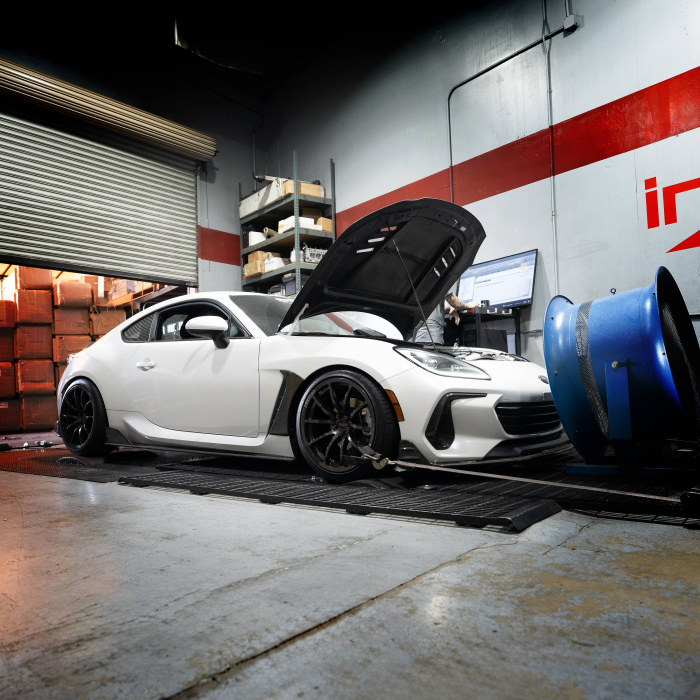
Based on multiple sample applications from each brand, here’s how the gains generally stack up:
Injen
- Common gas-engine EVO kits: ~8–19 hp and 8–24 lb-ft.
- Some truck/turbo EVO kits: up to ~28 hp and 63 lb-ft in manufacturer testing.
aFe
- Many Momentum GT and Magnum FORCE kits show ~9–18 hp and 11–35 lb-ft gains.
- Flow increases vs stock range from roughly 20–140%, depending on the platform.
K&N
- K&N doesn’t advertise a single universal number, but many applications show ~10–17 hp gains with a guaranteed horsepower increase and dyno charts to back it.
Reality check:
On most modern gas engines, all three brands tend to live in the same general range: a solid single-digit to low double-digit hp gain, better throttle response, and a noticeable bump in mid-range torque. The big differences are how they get there (tube design, box design, filter media) and how much emphasis they put on sound vs stealth.
Filter Media: Oiled vs Dry (and Who Does What Best)
Injen Filters
SuperNano-Web Dry Filters on most EVO and PF kits:
- Oil-free, synthetic media.
- Washable and reusable.
Great for people who:
- Don’t want to deal with oiling.
- Daily drive or off-road and want consistent MAF-friendly performance.
aFe Filters
Pro 5R (Oiled):
- 5-layer oiled cotton gauze.
- Focused on maximum flow and performance.
Pro DRY S (Dry):
- 3-layer oil-free synthetic media.
- Easier maintenance, no re-oiling.
aFe is strong if you like choosing your filter type for the same intake system.
K&N Filters
High-Flow Oiled Cotton Filters on most 57/63/69/77 kits:
- Deep, pleated cotton media with a specific filter oil applied.
- Extremely long service intervals; often up to 100,000 miles between cleanings in normal highway driving.
Blackhawk (71-Series) Dryflow Filters:
- Oil-free synthetic media for people who prefer dry maintenance.
Sound, Driveability & Tuning
Injen
- EVOLUTION and PF systems are known for a noticeable intake growl under acceleration.
- Intakes are typically designed to work with stock calibration/no tune required.
aFe
- Magnum FORCE open-element systems tend to be the loudest, with more induction and turbo noise.
- Momentum GT sealed systems are a bit more refined/quiet, but still give a nice growl.
K&N
- Most K&N systems provide the classic “deep whoosh” under throttle.
- Designed as bolt-on, no-tune solutions, focusing on smooth airflow and factory-friendly drivability.
In short:
- Want the loudest setup? Look at open aFe Magnum FORCE or Injen SP/PF on certain platforms.
- Want stealthier but still sporty? K&N 57/63 or sealed Injen EVO / aFe Momentum GT are the go-tos.
Emissions, Street Legality & Warranty
K&N
- Many 57-Series intakes are CARB-legal in all 50 states with EO numbers.
- Some 63, 69, 77, and RK systems are not legal in CARB states—you have to check each kit.
- Backed by 10-Year/Million Mile Limited Warranty.
Injen
- Many kits, especially for popular platforms, are also CARB approved, but status is per part number.
- Intakes typically include Injen’s limited lifetime warranty on the hardware.
aFe
- aFe offers a mix of CARB-compliant and race-only applications; status is per intake.
- Strong warranty support on filters and intake hardware (varies by series).
Always check the specific intake part number for CARB status if you’re in California or a CARB-aligned state.
So… Which Intake Brand Should You Choose?
Choose Injen if:
- You’re building a turbo car or truck and want aggressive sound and performance.
- You prefer a dry filter (less chance of MAF issues if over-oiled).
- You like sealed roto-mold boxes (EVOLUTION) that still flow hard.
Choose aFe if:
- You want big dyno numbers and lots of configuration options.
- You care about choosing exactly what you want: Open vs sealed or Oiled vs dry filter
- You like the idea of high flow increases vs stock with detailed spec sheets.
Choose K&N if:
- You want the most well-known name and massive application coverage.
- You’re sold on the 10-Year/Million Mile warranty and guaranteed horsepower increase.
- You don’t mind an oiled cotton filter, or you want the Blackhawk if you prefer dry.